
The relationship between physiotherapy and Pilates in Hong Kong has shifted significantly over the past decade. A decade ago, Pilates was primarily a fitness practice with a parallel reputation in the wellness community for its rehabilitation applications. Today, it is regularly mentioned in clinical physiotherapy discharge discussions and referred to explicitly in post-treatment care recommendations by physiotherapists across Hong Kong’s hospital and private clinic settings.
This shift reflects two things: a growing body of clinical research supporting Pilates as a rehabilitation intervention, and a growing recognition among Hong Kong physiotherapists that the neuromuscular rehabilitation work their profession does well is often not sustained adequately once the formal physiotherapy period ends. Pilates provides the structured continuation of that work in a context that motivates long-term consistency.
What Physiotherapy Does and Where Clinical Pilates Picks Up
Physiotherapy is exceptionally well designed for the acute and subacute phases of musculoskeletal rehabilitation. The assessment skills, manual therapy techniques, targeted exercise prescription and monitoring of healing tissue that physiotherapists bring to the clinical encounter produce results that are not replicated by any other healthcare profession.
Where many physiotherapy episodes end, there is often a gap. The patient is discharged with a home exercise programme, advised to continue the exercises independently and told to return if symptoms recur. The home exercise programme is typically not performed consistently. The neuromuscular patterns that were beginning to improve through the physiotherapy sessions begin to revert in the absence of supervised practice. The symptoms return.
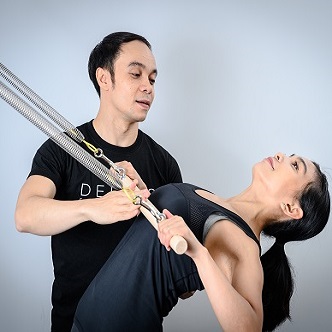
Clinical Pilates fills this gap by providing the supervised, progressive movement environment that the post-physiotherapy body needs to consolidate the gains of the treatment period and develop the functional capability that prevents recurrence. The Pilates instructor is not replacing the physiotherapist. They are extending the clinical work into a format that the patient can maintain as a long-term practice.
The Pilates rehabilitation programme at DEFIN8 FITNESS is specifically designed to serve clients at this post-physiotherapy stage, providing the structured continuation of neuromuscular rehabilitation through individually designed private sessions with certified instructors.
The Evidence Base That Is Driving Physiotherapist Referrals
The clinical research supporting Pilates for musculoskeletal conditions has grown substantially over the past decade. Multiple systematic reviews and randomised controlled trials have examined Pilates as an intervention for chronic lower back pain, neck pain, knee pain, shoulder dysfunction and neurological conditions.
For chronic lower back pain specifically, the evidence is now strong enough that Pilates is mentioned in clinical guidelines as an appropriate intervention alongside physiotherapy and other evidence-based approaches. The mechanism is well understood: Pilates reactivates the deep spinal stabilisers that chronic pain inhibits, which addresses the neuromuscular component of chronic pain that manual therapy and general exercise do not consistently reach.
For the Hong Kong physiotherapy community, this evidence base provides the clinical rationale for referral that the profession requires before recommending any intervention. As the research has become more robust, referral rates have increased correspondingly.
How the Physiotherapist and Pilates Instructor Collaboration Works Best
The most effective outcomes from physiotherapist-Pilates collaborations in Hong Kong come from cases where the two professionals communicate directly about the client’s presentation rather than operating in parallel without awareness of each other’s work.
At DEFIN8 FITNESS, the rehabilitation Pilates instructors are available to receive clinical information from referring physiotherapists about the patient’s diagnosis, current status and any specific precautions that should guide the Pilates programme. This communication ensures that the Pilates work is appropriate for the current stage of recovery and does not inadvertently stress tissue that the physiotherapy is still working to heal.
The feedback flow also runs in the other direction: observations from the Pilates sessions, including how the client’s movement presentation is changing and any patterns that raise concern, can be communicated back to the physiotherapist as part of the collaborative care relationship.
Conditions Where Physiotherapist Referral to Pilates Is Most Common in Hong Kong
- Chronic lower back pain after the acute phase has been managed: The deep core reactivation that Pilates delivers addresses the neuromuscular drivers of chronic pain that manual therapy reaches only temporarily
- Post-surgical spine rehabilitation: After discectomy, spinal fusion or other spinal procedures, Pilates provides the controlled progressive loading that rebuilds functional core stability without the compression risks of conventional exercise
- Shoulder rehabilitation after rotator cuff surgery or impingement treatment: The scapular stabilisation and rotator cuff activation work in Pilates directly addresses the shoulder dynamics that physiotherapy identifies as the drivers of shoulder dysfunction
- Hip rehabilitation after labral repair or hip replacement: The deep hip rotator and gluteal activation work in Pilates rebuilds the hip stability that surgery and recovery have reduced
- Neurological rehabilitation including stroke recovery: Pilates-based movement has been studied for its effects on balance, coordination and functional movement in neurological conditions with encouraging results that are prompting more physiotherapist referrals in this population
Final Thoughts
The growing referral pattern from Hong Kong physiotherapists to Pilates rehabilitation reflects a clinical recognition that is well supported by the research: Pilates addresses a dimension of musculoskeletal recovery that physiotherapy alone does not consistently deliver to completion.
For patients who have received physiotherapy and find that their symptoms are managing rather than resolving, or who want to ensure that the gains from their treatment are consolidated and built upon rather than gradually reversed, clinical Pilates provides the most evidence-supported continuation available.
For clinical enquiries or to discuss a patient referral to the DEFIN8 FITNESS Pilates rehabilitation programme, contact the studio directly through the website.
| Post-physiotherapy Pilates rehabilitation at DEFIN8 FITNESS. Book your assessment today. Contact us at defin8fitness.com/pilates-rehabilitation |