
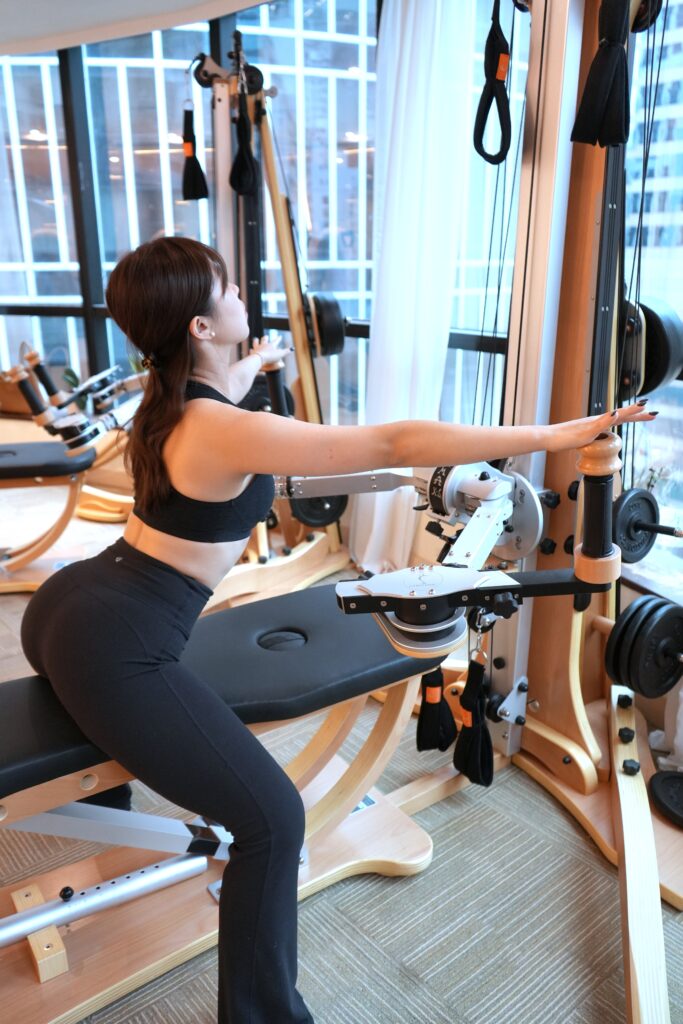
The conversation around mental health in Hong Kong has shifted significantly over the past several years. Burnout, anxiety and depression are being discussed more openly in workplaces and communities where they were previously invisible topics. This cultural shift is generating genuine demand for approaches that address mental wellbeing through daily practice rather than through crisis intervention alone.
Movement is consistently underrepresented in mental health discussions, despite being one of the most evidence-supported interventions for mood regulation, anxiety reduction and cognitive performance. Pilates occupies a specific position within the movement-for-mental-health landscape because of how it engages the nervous system, the breath and the mind body connection simultaneously.
The Neurological Basis of Pilates as a Mental Health Tool
Exercise of all kinds produces neurological benefits through well documented mechanisms: increased BDNF, which is the protein that supports neuronal health and plasticity; elevated endorphin levels; reduced inflammatory markers associated with depression; and modulation of the hypothalamic-pituitary-adrenal axis that governs the cortisol stress response.
Pilates produces these general exercise benefits and adds specific mechanisms that moderate intensity cardiovascular exercise does not provide. The concentration required by Pilates activates the prefrontal cortex, the brain region responsible for executive function, planning and emotional regulation, through sustained mindful attention to movement quality. This activation has been compared neurologically to mindfulness meditation practice in studies examining the neural correlates of each.
The parasympathetic nervous system activation that Pilates breath mechanics produce has direct and measurable effects on heart rate variability, which is one of the most reliable physiological measures of autonomic nervous system health and resilience to stress.
What Hong Kong Pilates Practitioners Report About Mental Benefits
Across the DEFIN8 FITNESS community, the mental health benefits of consistent Pilates practice are among the most commonly reported outcomes by long term clients, often superseding the physical outcomes that initially motivated them to start.
The most frequently described experiences are: a reduction in the background anxiety that had become habitual, a significant improvement in sleep quality that began within the first four to six weeks of consistent attendance, an improved capacity to manage the cognitive demands of high pressure working environments without the same level of physical tension, and a relationship with their own body that shifted from critical to appreciative.
These outcomes are consistent with the peer reviewed research on Pilates and psychological wellbeing, which shows statistically significant improvements in depression scores, anxiety measures and quality of life ratings after eight to twelve weeks of regular Pilates participation.
Pilates as a Mindfulness Practice
Mindfulness is defined in clinical psychology as non-judgmental present-moment awareness. Pilates practice, by requiring sustained attention to body position, movement quality and breath coordination, produces exactly this state of present-moment awareness as a functional requirement of executing the exercises correctly.
The difference from formal meditation practice is that the mindfulness in Pilates is embodied: it is awareness of and through the body rather than awareness of thoughts from a seated position. For many people, particularly those who find formal meditation difficult to sustain, embodied mindfulness through movement is a more accessible entry point to the same neurological benefits.
Whether you are drawn to the group energy of group Reformer Pilates classes or the individual focus of private Pilates sessions, both formats produce the mindful movement state that drives the mental health benefits described above.
Building a Sustainable Wellbeing Practice in Hong Kong
The challenge for most Hong Kong professionals is not identifying what they should do for their wellbeing. It is building sustainable practices within the context of working lives that leave limited time and substantial cognitive fatigue for anything else.
Pilates addresses this challenge practically. Sessions are contained within fifty to sixty minutes. The physical output is calibrated to leave the client energised rather than depleted. The psychological effect of a session is reliably positive, which reinforces attendance in a way that dreaded exercise cannot.
Starting with two sessions per week establishes the practice without overwhelming the schedule. Most clients who reach the twelve week mark with two sessions per week find that missing a session creates a noticeable absence in how they feel through the week, which is the point at which the practice becomes self-sustaining.
Final Thoughts
Physical and mental health are not separate categories. They are expressions of the same system, and movement practices that address both simultaneously are more efficient and more effective than approaches that treat them independently.
Pilates provides one of the most complete and evidence supported bridges between physical training and mental wellbeing available in Hong Kong. The practice develops the body while simultaneously developing the nervous system, the breath and the capacity for present-moment awareness that mental health depends on.
Take the first step toward a practice that serves both your physical and mental health. View the class schedule at DEFIN8 FITNESS and book your first session.
| Train your body and settle your mind. Book Pilates at DEFIN8 FITNESS Hong Kong. Book now at defin8fitness.com/schedule-class |