
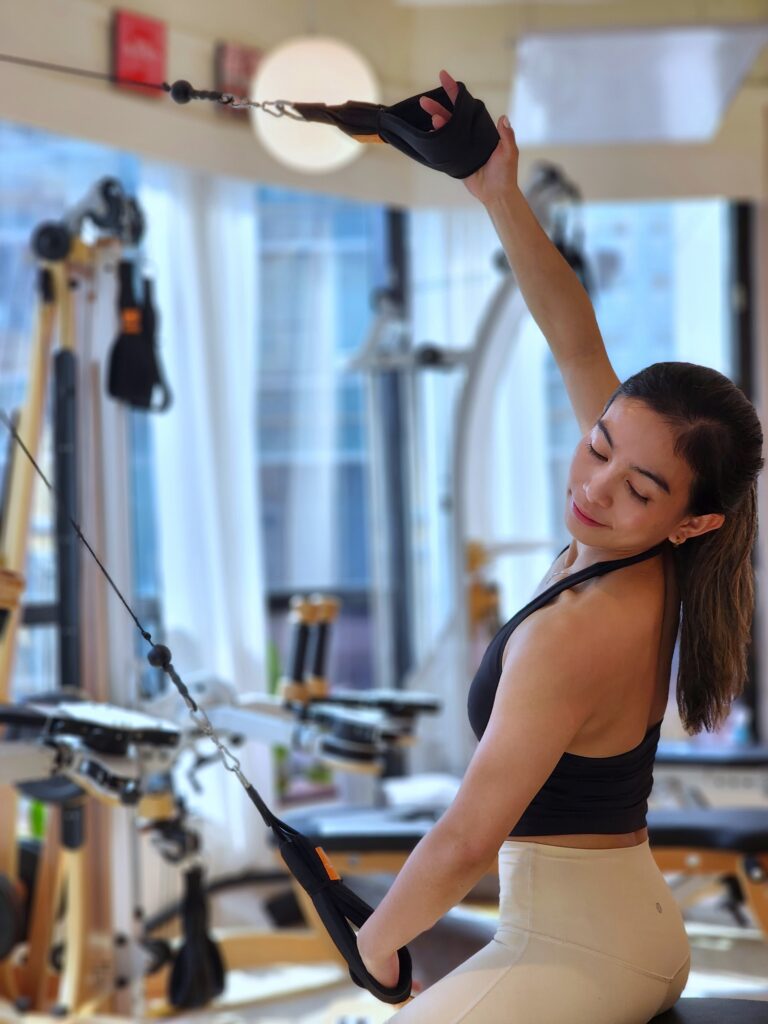
The first trimester is often the period when expectant mothers in Hong Kong are most uncertain about exercise. The pregnancy may not yet be visible. Fatigue and nausea can make any physical activity feel ambitious. And the range of advice available, from the very conservative to the apparently unconcerned, makes it genuinely difficult to know what level of activity is appropriate.
Pilates in the first trimester is safe for the majority of expectant mothers without high risk pregnancies, and beginning now rather than waiting for the second trimester produces a significantly better foundation for the physical demands of the entire pregnancy. This guide provides the clear, evidence-based guidance that most Hong Kong expectant mothers are not receiving from their standard antenatal appointments.
Why the First Trimester Is Actually the Best Time to Start
Many expectant mothers delay starting Pilates until the second trimester when the pregnancy feels more established and the initial fatigue begins to lift. This delay is understandable but it means missing the window in which the foundational movement patterns of prenatal Pilates are easiest to learn.
The physical changes of the first trimester are relatively minor. The centre of gravity has not yet shifted. The abdominal wall has not begun to stretch significantly. The ligamentous laxity that relaxin produces is present but not yet at its peak. These conditions make the first trimester the optimal time to develop the deep core awareness, pelvic floor connection and breath mechanics that will be needed throughout the pregnancy.
Clients who establish this foundation in the first trimester consistently report a more comfortable second and third trimester than those who begin Pilates later. The deep core engagement and postural support that Pilates develops reduces the lower back and pelvic pain that most pregnant women experience as an inevitable consequence of the expanding bump.
The prenatal Pilates programme at DEFIN8 FITNESS begins with an initial consultation that covers the client’s pregnancy history, current fitness level and any relevant medical guidance before designing a first trimester programme.
What Is Safe in First Trimester Pilates
The majority of standard Pilates exercises are safe in the first trimester for women without high risk pregnancies. The key principles for first trimester Pilates are: avoid exercises that cause breath holding or significant intra-abdominal pressure; avoid sustained supine positions only if they cause dizziness or discomfort; maintain conversation-pace exertion rather than maximum intensity; and stop any exercise that causes pain, dizziness or unusual discomfort.
Safe first trimester Pilates exercises include: all breathing exercises and pelvic floor activation work; pelvic tilts and lumbar stabilisation; hip mobility and strengthening; glute activation; upper body and shoulder work; modified plank and quadruped exercises for deep core activation.
What Requires Modification or Avoidance
- Exercises that involve prone lying, which means lying on the stomach, become uncomfortable earlier than most people expect. Alternative positions on the hands and knees or in side lying can replace these
- Deep abdominal work that involves pulling the abdominals toward the spine is appropriate in the first trimester but needs monitoring as the pregnancy progresses
- High impact movements including jumping, bouncing and high speed direction changes should be avoided throughout pregnancy
- Any exercise that produces diastasis recti warning signs, including coning or doming along the midline of the abdomen, should be modified immediately
- Exercise in very hot environments, including saunas or hot yoga studios, should be avoided in the first trimester due to the risk of elevated core temperature
Managing Fatigue and Nausea While Maintaining Movement
The fatigue and nausea of the first trimester are the most common barriers to consistent Pilates attendance during this period. Both are real physiological responses to the hormonal changes of early pregnancy and should not be pushed through.
Shorter sessions of twenty to thirty minutes at a reduced intensity are more sustainable and more productive than attempting full sessions and experiencing nausea-driven dropout. Morning sickness, despite its name, can occur at any time of day and session timing should be adjusted to the time of day when the client feels best.
The instructor’s awareness of these realities matters enormously. A prenatal-certified instructor understands that a first trimester client who arrives at a session feeling exhausted needs a different approach from a second trimester client at full energy, and will calibrate the session accordingly.
Final Thoughts
Starting Pilates in the first trimester, with an appropriately certified instructor and a programme designed around the specific demands of early pregnancy, is one of the most productive investments an expectant mother in Hong Kong can make in the physical experience of her pregnancy.
The foundation built in the first trimester carries through every subsequent stage of the pregnancy and into postnatal recovery, making every part of the journey more comfortable, more capable and more resilient than it would otherwise be.
Contact DEFIN8 FITNESS to discuss starting a first trimester Pilates programme with a certified prenatal instructor.
| Start your prenatal Pilates journey in the first trimester. Book at DEFIN8 FITNESS. Enquire at defin8fitness.com/pre-post-natal |